Design for a small garden makes a big difference
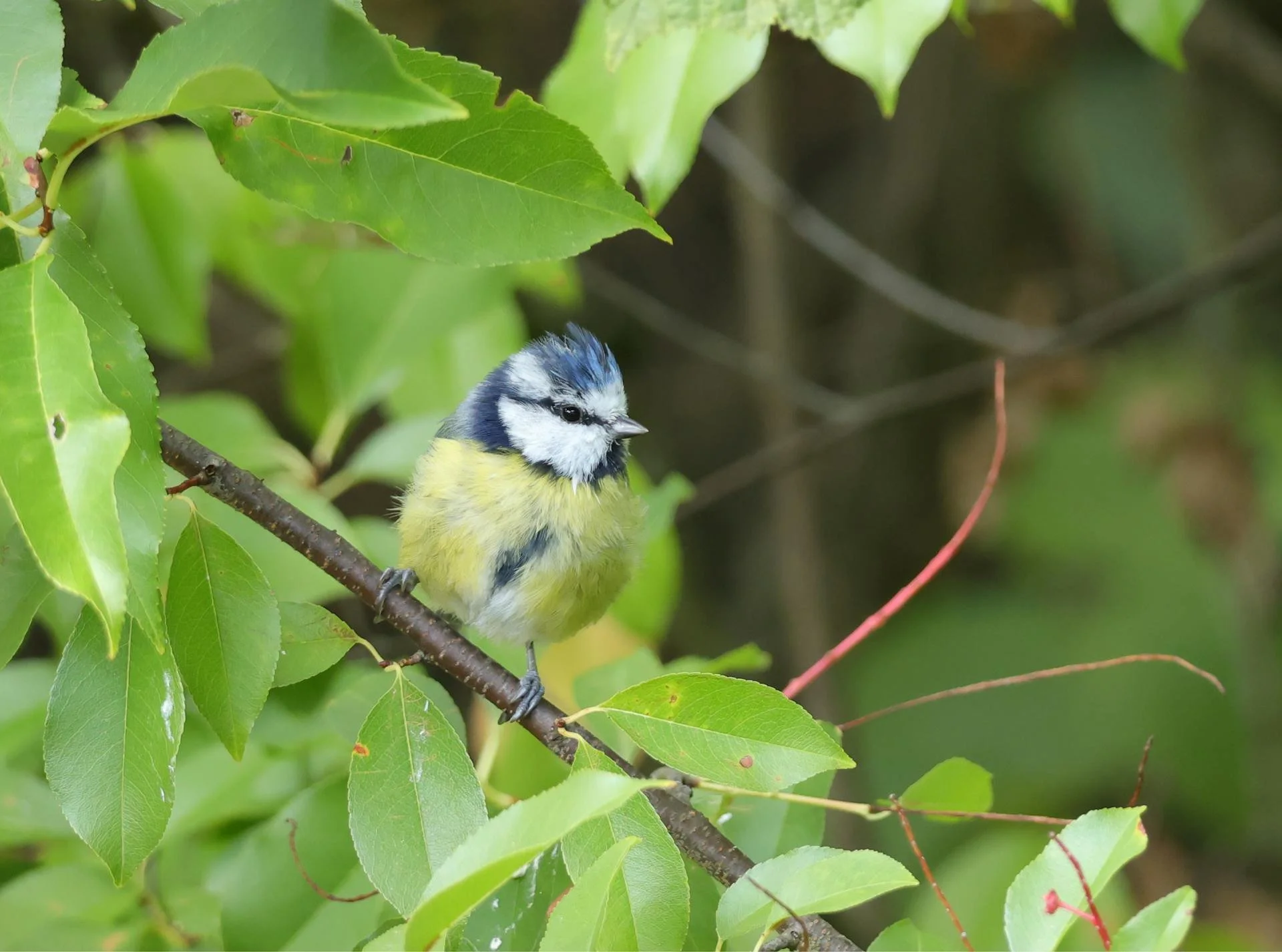
The Prunus padus ‘Nana’ is a smaller variety of the native bird cherry and is well suited for a small garden. This tree produces white flowers in April and May, followed by black berries that birds love.
It’s easy to dream about everything you’d like to have in your garden. But what if your garden isn’t very big? Then you need to make smart choices. A well-designed small garden can make a huge difference in how it feels, how you use it, and the atmosphere it creates. Moreover, even a small garden can offer tremendous value to insects, birds, and other wildlife in your surroundings. From rooftop gardens to patios or urban backyards, every garden can become a biodiverse, green oasis.
How big does a garden need to be for a design?
This is one of the most common questions I get. I often joke that 1 m² is enough. It can be hard to imagine how a design for a small garden will turn out. Isn’t there too little space to work with? But you’d be surprised. An empty space — especially one enclosed by, for example, a high fence — naturally feels small. Yet, there’s often more room than you think. By dividing the garden into “rooms,” you create a playful feel and make the space appear visually larger.
Precisely because the space is limited, it’s important to make use of every corner. You might feel tempted to keep things sparse, so the garden doesn’t feel crowded or messy. But that can actually make it feel smaller. Fill the garden! Any area that isn’t needed for sitting, walking, or storage can be greened. Every unused tile is one too many. Planting should feel light and allow filtered sunlight to pass through, making the garden feel less confined. Trees, shrubs, and other plants are what turn your garden into an inviting space in every season.
From 24 m² of paving to an ecological family garden
For a client in Gelderland, I designed a south-facing backyard of 24 m². At the time, the garden was entirely paved and was not a place they enjoyed spending time in. This was a real shame, as they love nature and being outdoors. There was a sandbox for the children, but in summer the garden became too hot to use comfortably. Their wish was for an edible, fragrant garden full of discovery, with enough space to sit six people and a play area for the children. The living room opens onto the garden through large windows and patio doors. The goal was to create a green outdoor space that connects with the house in every season.
I created a green, cozy garden for this family where it’s enjoyable to be year-round. In the morning, you can catch the first rays of sunlight at the corner seating area, surrounded by fragrant honeysuckle. The lounge area remains comfortable even on hot summer days, sheltered under a pergola with climbing plants. Behind the pear tree, the children play with a sandbox and other natural materials that spark their imagination, while snacking on blackberries and currants. A water bowl and various edible berries attract birds and other wildlife. And, of course, there’s plenty of greenery: the planting plan included 78 perennials, two trees, and two shrubs. The client reflected on this with the following review:
“Our garden isn’t large, but our ambitions are. You showed us that more was possible than we had imagined, and your design proved it. You listened carefully to our wishes and managed to incorporate them all into our small garden without it ever feeling cramped.”
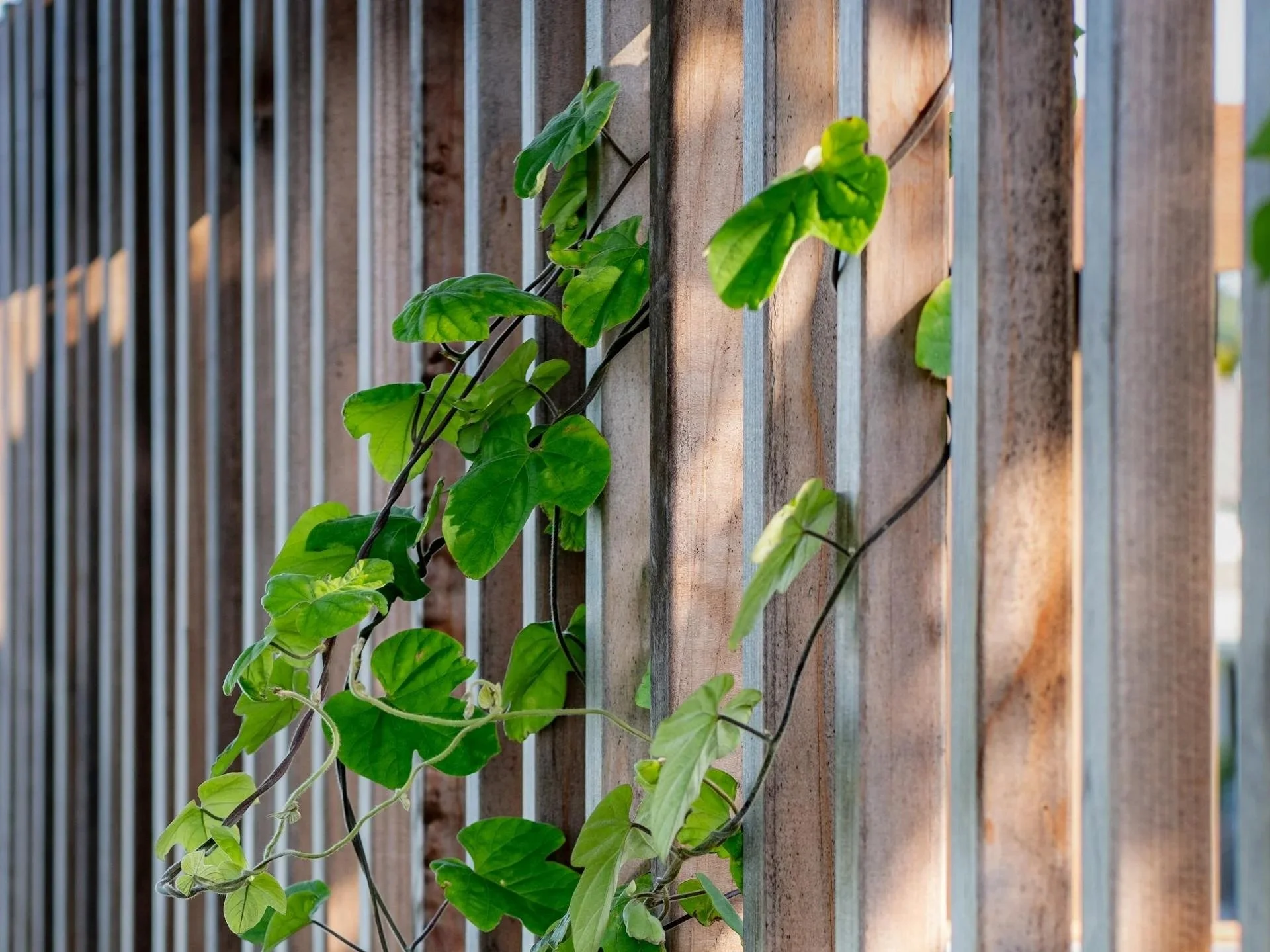
Planting is light and airy, allowing filtered sunlight to pass through, which makes the garden feel more open and spacious.
How to create a sense of space in your garden
In a small garden, the layout has a big impact on how the space is experienced. Horizontal or vertical lines can make a garden appear wider or deeper. Often, small gardens require relatively more elements, such as a terrace, pathway, shed, or fence. To incorporate as much greenery as possible, creativity is key. By using different heights, colors, and textures, you can highlight certain corners of the garden while subtly concealing others. Climbing plants take up little space but can significantly green your view. Layering plants also adds depth and dimension to the garden.
Going vertical makes a small garden more playful and enhances the sense of space. Planning a canopy or pergola? It can create a cozy, intimate corner, but it can also block light or make the garden feel smaller. Softening such structures with climbing plants and choosing natural materials helps complement the planting and brings balance to the space. Shrubs and trees add volume and character, while a small tree can become a true focal point. Just make sure the tree won’t grow too large and isn’t planted too close to the house or property boundary.
Making the right choices for your small garden
What is most important in your new garden? Have you always dreamed of harvesting your own fruit? Do you want more privacy? A spot to sit outside in every season? Make a list of the features that are essential for your garden, along with any additional wishes. This will help guide design decisions. Once your wishes are clear, think about ways to combine functions. For example, a bench with storage underneath, or a trellis with climbing plants that both adds visual interest and conceals a garbage bin.
A small garden is a clearly defined outdoor space. See it as an opportunity to design the area so it feels like an extension of your home. This expands your living space and brings you closer to nature, even from indoors. We usually put a lot of thought into making our homes comfortable — choosing the flooring, painting the walls, arranging furniture until it feels right. If we put the same care and attention into our gardens, we can feel at home in nature every day, in every season.
Would you also like a design for your small garden? Take a look at my services or send me an email for more information.